


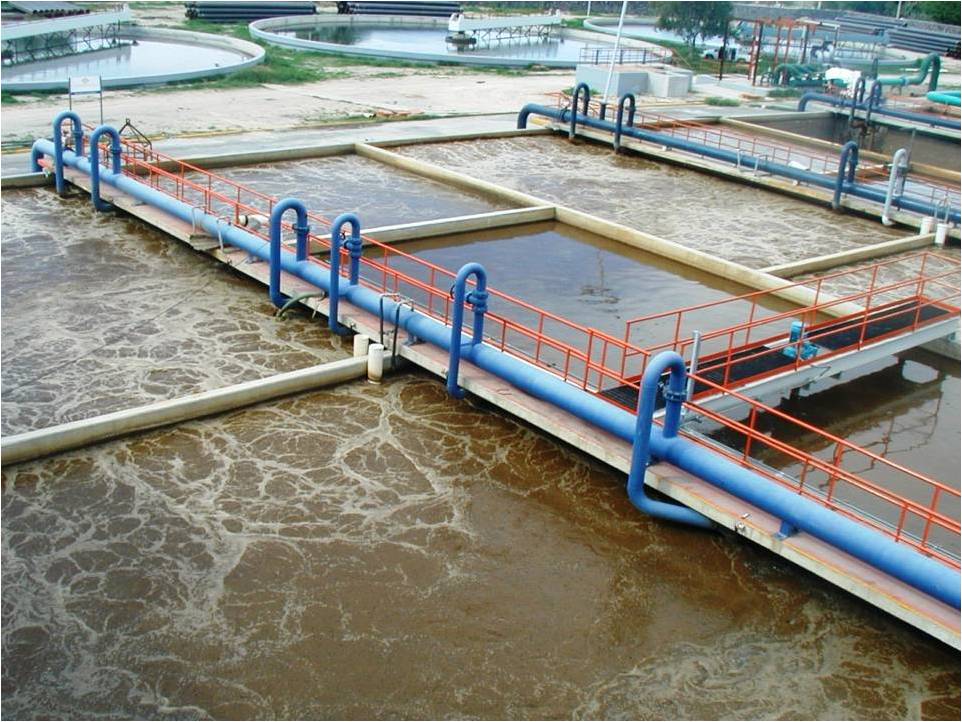
An industrial park wastewater treatment plant is an essential infrastructure facility that treats wastewater from factories and enterprises within the industrial park before it is discharged into the environment, ensuring that no pollution is caused. These plants typically have large capacities and employ various treatment technologies depending on the type of wastewater and the specific requirements of each area.
Some key characteristics of an industrial park wastewater treatment plant:
- Centralized wastewater treatment:
Wastewater from various sources within the industrial park is collected and treated at a single treatment plant.
- Large capacity:
These plants typically have a large treatment capacity, which can reach tens of thousands of cubic meters per day.
- Diverse treatment technologies:
Depending on the characteristics of the wastewater, the plants may employ different treatment technologies such as biological, physico-chemical, or combined processes.
- Monitoring system:
To ensure the quality of treated wastewater, plants usually have automatic monitoring systems for parameters such as COD, TSS, pH, and other relevant indicators.
- Waste storage and treatment system:
In addition to wastewater treatment, plants may also have systems for storing and treating hazardous waste and solid waste, ensuring environmental safety.
For example, the centralized wastewater treatment plant at Dau Giay Industrial Park has a designed capacity of 10,500 m³/day and is divided into three modules operating in parallel. The plant is also equipped with automatic monitoring systems for influent and effluent parameters, as well as storage facilities for hazardous waste and an environmental emergency response system.


